



All our efforts are geared towards long term protection of communities
This is our preferred method of preparing communities to protect their environment against current and future risks.


Vision
All communities in Sierra Leone sustainably manage their environments. This vision embodies the idea of fostering an environmentally conscious, resilient, and sustainable future for Sierra Leone’s communities, ensuring that both the people and the ecosystems they depend on can thrive. It emphasizes the active role that every community—rural and urban alike—must play in managing and conserving their natural resources, reducing environmental degradation, and ensuring climate resilience.
Radio Discussions & Public Awareness
CAD uses radio as a key tool for community education across Sierra Leone. Our sessions provide clear, practical information on climate change, disaster preparedness, agriculture, and environmental protection. By talking to local leaders, and communities we make scientific issues understandable and relevant.
Irrigation & Water Management Training
CAD trains farmers in practical, low-cost irrigation and water-management techniques to help them adapt to erratic rainfall and dry-season challenges. Training covers soil-moisture management, drip systems, rainwater harvesting, gravity-fed channels, and efficient water use. Farmers learn through demonstrations and hands-on sessions, ensuring they can apply these methods independently.
Climate Change Education & Community Outreach
CAD’s climate education programme increases public understanding of climate risks and promotes community-level action. Through school outreach, village meetings, training workshops, and media campaigns, we simplify climate concepts and provide practical guidance on adaptation. We work with chiefs, teachers, youth, and women’s groups to ensure climate knowledge reaches everyone.
Disaster Preparedness & Volunteer Mobilization
CAD supports the National Disaster Management Agency (NDMA) by mobilizing and training community volunteers under the National Disaster Management Corps. Our work strengthens—not replaces—NDMA structures by improving local readiness and early response. Volunteers receive training in early-warning communication, evacuation, hazard monitoring, and basic first aid.
Sustainable Agriculture & Farmer Capacity Building (100 words)
CAD equips farmers with climate-smart agricultural skills that improve productivity and resilience. Our training covers improved seeds, soil fertility, composting, pest management, crop rotation, mulching, and agroforestry. Using farmer field schools and demonstration plots, we combine scientific knowledge with local techniques.
Tree Planting & Ecosystem Restoration
CAD leads community-based tree planting and ecosystem restoration to fight deforestation and land degradation. Working with schools, villages, and authorities, we plant indigenous, fruit, and timber trees suited to local landscapes. Communities receive training in nursery development, planting, and long-term care to ensure high survival rates.
To Enhance Awareness and Understanding of Climate Change amongst Citizens
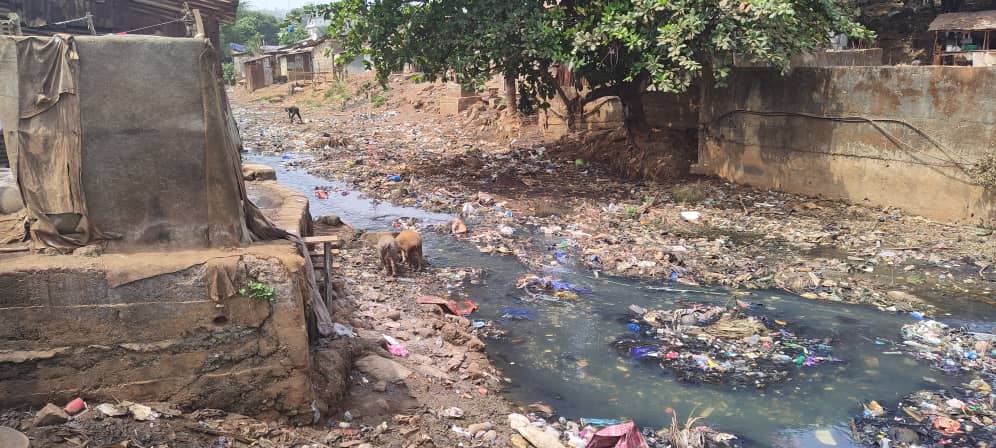
We Provide Information for Tackling the Root Causes of Climate Change
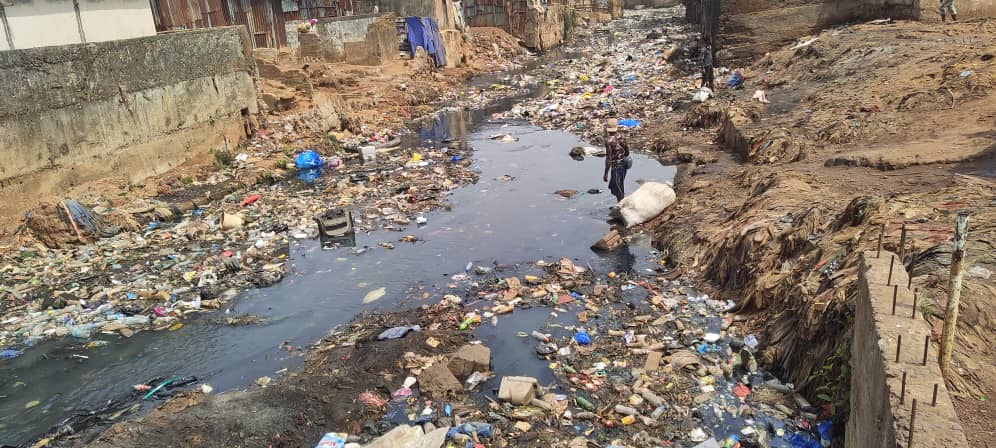
Be Joint Advocates with Communities and Other Partners for Climate Change


Community Stakeholders Engagement at Colbot Slums in Freetown

At GIZ Workshop
Ensure that key climate change activities are adequately resourced

Build collaborative networks with climate change actors including government of Sierra Leone, local actors and international partners

Preparedness- CAD will develop the knowledge and capacities in all communities to effectively anticipate, respond to and recover from the impacts of likely, imminent or current disasters.

To prepare our communities the following steps will be adhered to

Root causes versus drivers
CAD will essentially differentiate between drivers and root causes of disasters. CAD considers drivers as processes and activities that translate the effects of root causes into risks. Root causes, in contrast, involve processes and structures that go beyond an individual crises or event and influence specific drivers of risk, vulnerability and disaster risk management i.e. development, awareness and perception, governance, political environment, physical and environmental conditions.

Risk analysis
CAD will take a qualitative and quantitative approach to understanding the nature and extent of risks associated with disasters in Sierra Leone by investigating potential hazards and assessing existing conditions of exposure and vulnerability that together could harm communities, services, property, livelihoods and the environment on which they rely.
Indigenous knowledge over external method
CAD will not view indigenous knowledge as outdated and primitive, but would rather seek to evaluate our challenges through analyzing the potential contribution of indigenous knowledge as a useful disaster risk reduction intervention.
Empowerment
Empowerment- Communities are at the frontier of all natural and man-made hazards and disasters in Sierra Leone. CAD will empower the communities by internalizing the tools and methods of DRR as a way of dealing with future potential risks. We will ensure partnership, participation, empowerment and ownership by the local people.

Copy right GIZ
Talk to us
Have any questions? We are always open to talk about your business, new projects, creative opportunities and how we can help you.